
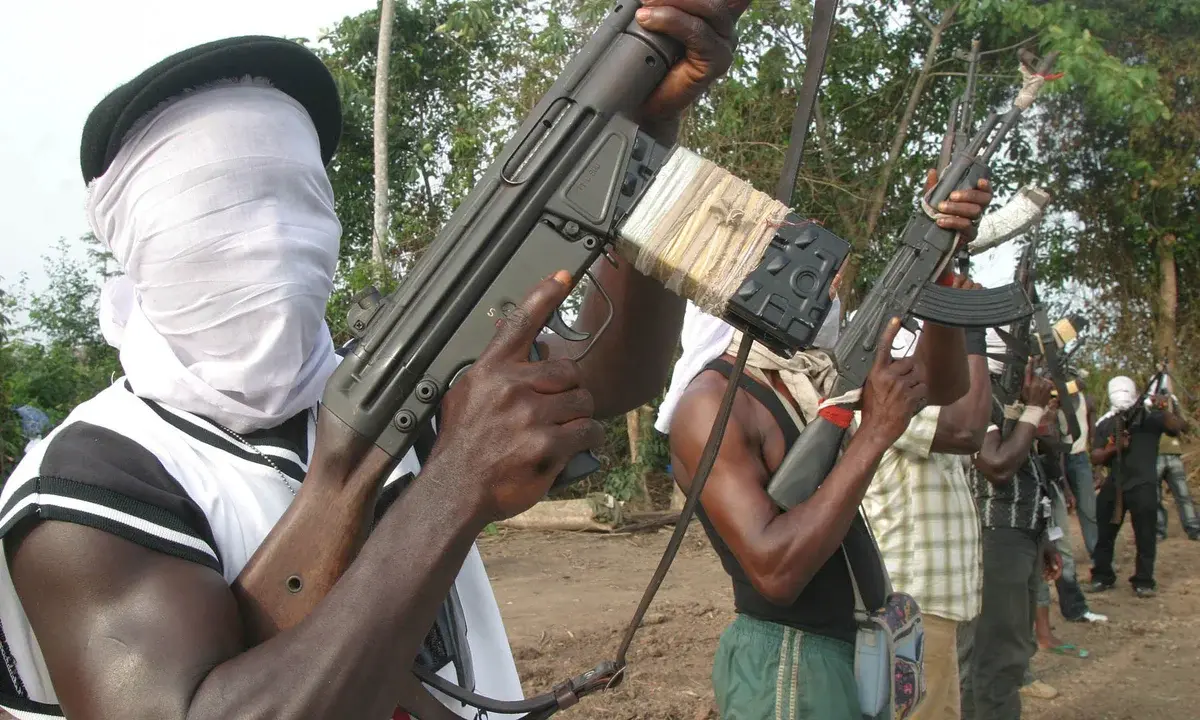
Northern Nigeria is once again at the center of a growing security emergency as armed groups continue to unleash violent attacks, mass kidnappings, and deadly raids across rural communities, leaving families shattered and entire regions living in fear.
From remote villages to religious centers, the violence has become disturbingly routine. Armed men—often arriving on motorcycles and emerging from dense forest hideouts—strike quickly, abducting civilians, killing residents, and disappearing before security forces can respond. For many communities, daily life has become a cycle of anxiety, displacement, and survival.
Communities Under Siege
Villages across the northwest and north-central regions are bearing the brunt of the violence. Markets, homes, schools, and places of worship have increasingly become targets. In many cases, attackers storm communities in large numbers, firing weapons to create panic before seizing victims and retreating into forests that serve as natural hideouts.
Residents describe living in constant fear, with parents afraid to send children to school and farmers abandoning their land. Entire communities have been forced to flee, creating growing numbers of internally displaced families who now depend on limited humanitarian support.
Kidnapping as a Business Model
Kidnapping has evolved into a well-organized criminal economy. Armed groups use abductions to fund their operations through ransoms, extortion, and barter-style demands such as motorcycles, fuel, and supplies. This model allows them to remain mobile, armed, and difficult to track.
What makes the crisis even more alarming is the scale: abductions are no longer isolated incidents but mass kidnappings, sometimes involving dozens of people at once. The psychological toll on families and communities is immense, with many victims’ relatives forced to sell land, livestock, and property just to secure the release of loved ones.
Security Forces Under Pressure
Nigeria’s security agencies have launched repeated operations to dismantle bandit camps and rescue hostages. While some captives have been freed and criminal hideouts destroyed, the violence continues—showing how deeply entrenched these networks have become.
Forested terrain, limited surveillance infrastructure, and local poverty make it difficult to permanently eliminate armed groups. In some areas, security forces face ambushes and deadly resistance, highlighting the dangers confronting those trying to restore order.
A Humanitarian and National Crisis
Beyond the headlines, the real story is the human suffering. Families are broken apart. Children grow up in fear. Communities lose trust in institutions meant to protect them. Schools close, farming stops, and economic life collapses—creating a cycle of poverty and insecurity that feeds further violence.
Northern Nigeria’s crisis is no longer just a security issue—it is a humanitarian, social, and national stability crisis that threatens the future of entire regions.
The Bigger Picture
Experts warn that without long-term solutions—including poverty reduction, youth employment, education, intelligence-led policing, and community trust-building—military action alone will not end the violence. The roots of the crisis lie in years of neglect, inequality, weak governance, and ungoverned spaces that allow armed groups to thrive.
Until these deeper problems are addressed, armed attacks and kidnappings will remain a brutal reality for millions of Nigerians.

Leave a comment
Your email address will not be published. Required fields are marked *