

Egypt is investing heavily in railway infrastructure as it looks to strengthen its position in international trade. A major electrified rail network connecting ports across the country is expected to offer businesses another way to transport goods between the Red Sea and the Mediterranean.
The project comes as disruptions to shipping in the Red Sea have highlighted the risks of relying heavily on established maritime routes.
On October 14, Egypt's planned rail network could carry up to 13 million tonnes of freight annually once fully operational. The project is also intended to strengthen the country's logistics sector and create additional opportunities for international commerce.
However, the railway is not a replacement for the Suez Canal itself. Instead, it is designed to provide an alternative way of moving cargo across Egyptian territory when rail transport offers a useful option.
Why Is Egypt Investing Billions in Rail Infrastructure?

For decades, the Suez Canal has been one of the world's most important shipping routes, connecting the Mediterranean Sea with the Red Sea.
The canal allows ships travelling between Europe and Asia to avoid the much longer journey around southern Africa. Its importance extends beyond Egypt, influencing international shipping costs, delivery schedules and supply chains.
But disruptions to maritime traffic in the Red Sea have demonstrated how security problems can affect international commerce.
When shipping companies divert vessels around the Cape of Good Hope, journeys can become longer and more expensive. Delays can also affect businesses that depend on predictable delivery schedules.
Egypt's railway development is intended to give freight operators another option.
The electrified network is planned to stretch approximately 2,000 kilometres across Egypt. The reported investment associated with the project is $8.7 billion.
The wider Suez Canal Economic Zone has also attracted more than $16 billion in investment, according to the report.
These figures relate to different aspects of Egypt's infrastructure and economic development. They should not be interpreted as a single combined railway budget.
How Would the Railway Work?
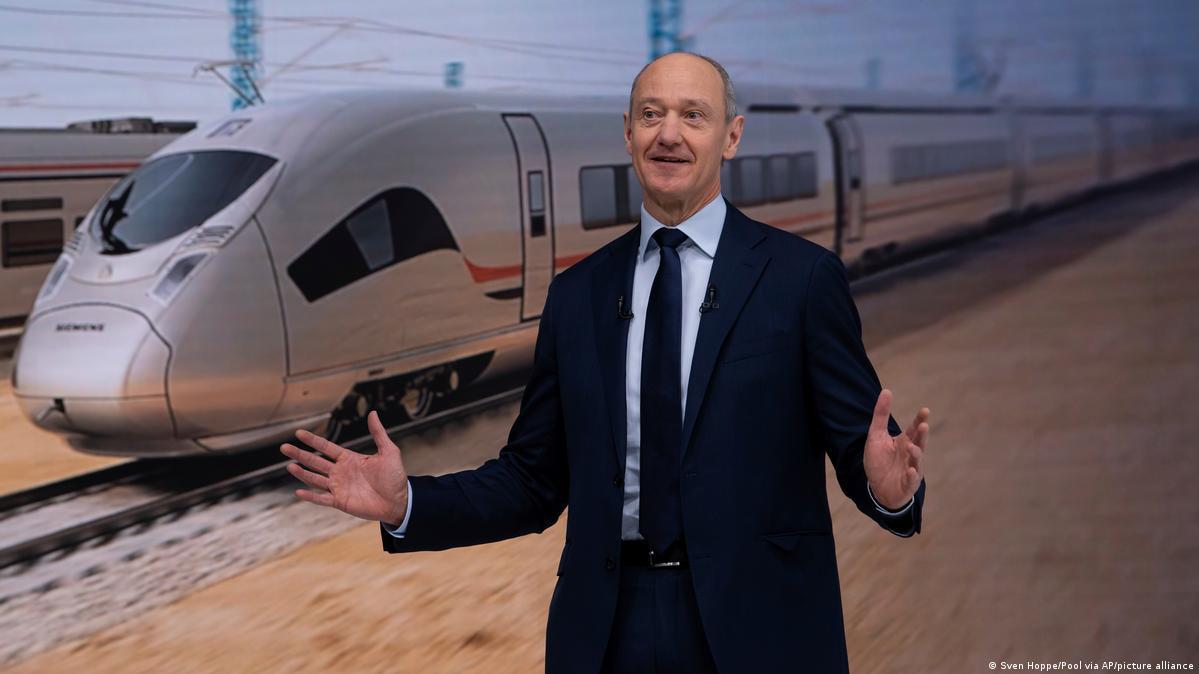
The concept is straightforward: instead of transporting every shipment around a coastline by sea, some goods could arrive at a port on one side of Egypt, travel across the country by rail and continue their journey from another port.
The network is intended to connect Red Sea ports with Mediterranean export terminals.
The railway could handle as much as 13 million tonnes of freight per year once fully operational.
That capacity could be valuable for manufacturers, exporters and logistics companies seeking additional ways to move goods.
Rail transport may also offer advantages for particular shipments that require predictable schedules or connections between industrial centres and ports.
Nevertheless, the project's real-world performance will depend on factors including construction progress, operating costs, freight-handling facilities and how effectively rail services connect with maritime transport.
The projected capacity should therefore be understood as an expected future outcome, not a measurement of freight already being transported.
The potential advantage is flexibility.
Businesses that have several transport options may be better positioned to respond to delays, security concerns and changing shipping costs.
However, whether the railway can compete economically with maritime transport will depend on the type of cargo, distance travelled and total cost of moving goods between their origin and destination.
What Could It Mean for African Trade?
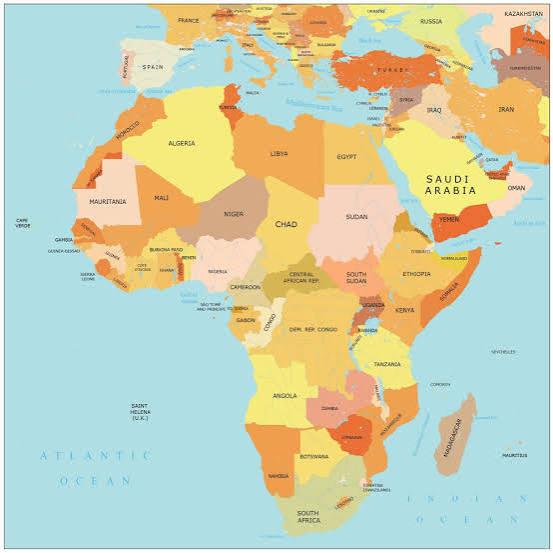
The project's significance could extend beyond Egypt.
The African Continental Free Trade Area aims to expand trade between African countries by reducing barriers and supporting a more integrated continental market.
Efficient transport infrastructure is important to that objective because businesses need reliable ways to move goods between production centres, warehouses, ports and customers.
Egypt's railway network could contribute to wider trade connectivity if it integrates effectively with other transport corridors.
Potential benefits include improved access to export markets, stronger connections between industrial areas and ports, and additional logistics opportunities for businesses operating in North Africa.
However, a railway within Egypt cannot solve every challenge facing African trade. Border procedures, customs systems, transport links in neighbouring countries and the cost of moving goods across multiple jurisdictions will continue to matter.
The project's wider continental impact will depend partly on whether the infrastructure becomes part of a genuinely connected regional logistics system.

Leave a comment
Your email address will not be published. Required fields are marked *