From coup attempts and regional military tension, to pro-democracy protests and existential threats to democracy, West and Central Africa are experiencing one of the most turbulent political periods in recent memory — with far-reaching consequences for governance, security, and regional stability.
🇧🇯 Benin’s Failed Coup Attempt Shocks Stable Democracy
In an extraordinary event that stunned observers, a group of soldiers in Benin briefly announced on state television that they had seized power and dissolved the government, part of a december 2025 attempted military takeover just hours before the incident was quelled by loyalist forces. The group — calling itself the Military Committee for Refoundation — claimed it had ousted President Patrice Talon and suspended institutions. However, the government and security forces regained control, arresting around a dozen soldiers and restoring order. (Wikipedia)
The coup plotters cited mounting grievances, including alleged neglect of soldiers, deteriorating security, and dissatisfaction with national leadership—even as critics argue the episode reflects deeper tensions about democratic representation and political marginalization. (Wikipedia)
📍 Regional forces from ECOWAS—including troops from Nigeria, Ghana, and Côte d’Ivoire—were deployed to support Benin’s government, and Nigerian fighter jets were reported to have conducted operations to dislodge the mutineers early in the crisis. (Africa Defense Forum)
🆘 West Africa Declares State of Emergency as Coups Surge
The Economic Community of West African States (ECOWAS) has declared a regional state of emergency amid this string of coups and attempted overthrows across the sub-region, noting an urgent need to safeguard democracy and constitutional order. The declaration reflects concern over persistent instability, with recent events including military takeovers in Guinea-Bissau and attempted coups in Benin raising alarm. (AP News)
ECOWAS leaders have emphasized the threat to democratic norms and the need for collective action to prevent further deterioration. Some analysts believe this marks a critical test for regional governance and peacekeeping mechanisms in the face of growing coups d’état across Africa’s so-called “Coup Belt.” (Pulse Ghana)
🇲🇱 Mali: Pro-Democracy Protests Against Junta Rule
In Mali, months of anti-government protests broke out in May 2025, driven by citizen outrage against the military junta’s political decisions—including a proposal to dissolve all political parties and extend the junta’s rule through 2030. Opponents of the regime—long frustrated by the lack of democratic progress since the 2020 coup—took to the streets in Bamako calling for democratic reform and civilian rule. (Wikipedia)
Although security forces responded with crackdowns, the protests marked one of the largest public displays of resistance since the junta seized power, spotlighting how prolonged military governance continues to fuel civil dissent and human rights concerns. (Wikipedia)
🇹🇬 Togo: Clashes as Youth Demand Change
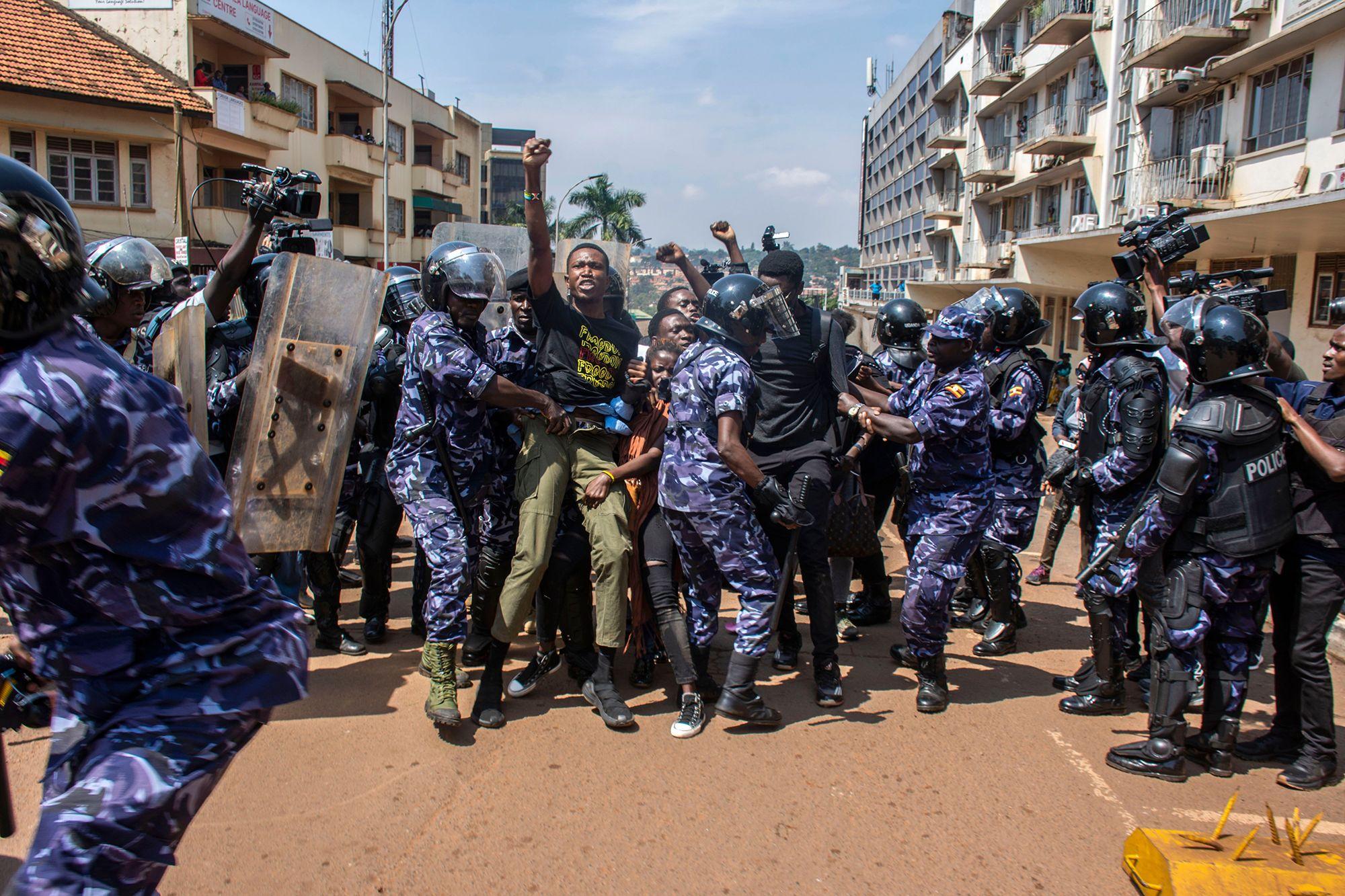
In Togo, protests erupted against the long-standing rule of President Faure Gnassingbé, whose family has governed the country for decades. Demonstrators—especially younger generations—demanded that Gnassingbé step down amid accusations that constitutional changes were being used to entrench his power indefinitely. Security forces reportedly used tear gas and force to disperse crowds. (allAfrica.com)
These protests reflect a broader trend of youth-led activism in West Africa, where emerging generations are increasingly vocal about political reform and accountability. (allAfrica.com)
🪖 Wider Context: Coups, Protests, and Democracy at Risk
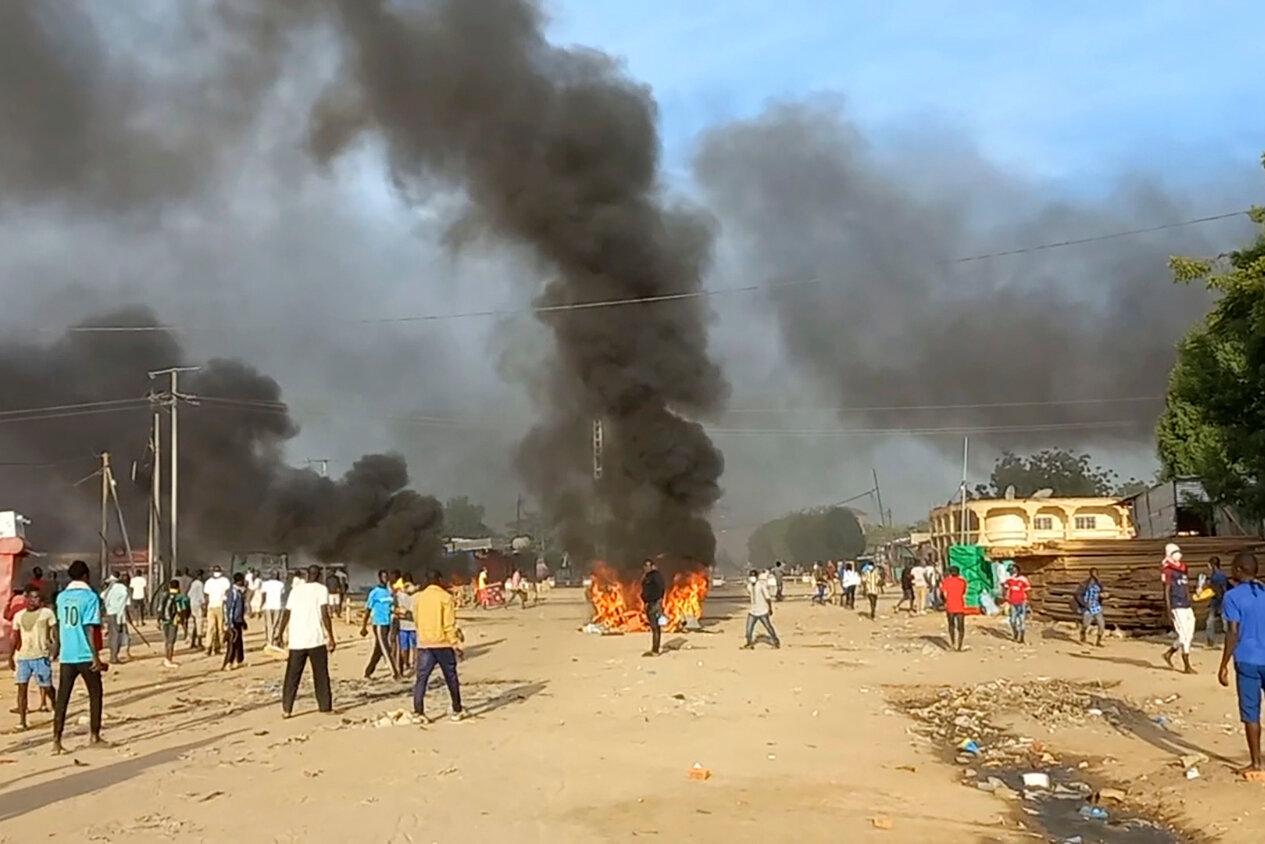
Across West and Central Africa, the political landscape has been profoundly shaped by military interventions and upheavals in recent years. Successful and attempted coups have occurred in countries such as Mali, Burkina Faso, Niger, Guinea, and Guinea-Bissau, contributing to a fragile democratic environment and challenges to regional security cooperation. (AP News)
Some experts argue that the surge in military interventions and the mixed responses from regional bodies, highlight systemic governance issues, where citizen disenchantment with political leadership collides with the threat such takeovers pose to constitutionalism and civil liberties. (AP News)
🧭 What Comes Next?
• ECOWAS and the African Union are under pressure to strengthen democratic safeguards and respond more effectively to unconstitutional power grabs. (AP News)
• Benin’s political future will unfold as the nation heads toward elections and navigates lingering tensions exposed by the coup attempt. (Wikipedia)
• Civil society movements in Mali and Togo may grow, forcing deeper questions about political participation, representation, and youth involvement. (Wikipedia)

Leave a comment
Your email address will not be published. Required fields are marked *