Sudan’s once-vital gold trade—long a cornerstone of the country’s economy — is collapsing under the weight of an intensifying civil war that has reshaped the nation’s finances, institutions and livelihoods. What was once a major revenue source is now a war economy fuelled by illicit smuggling, factional control and fractured governance. (Sudan Tribune)
Gold: From Economic Backbone to War Finance Engine
Before the conflict erupted in April 2023 between the Sudanese Armed Forces (SAF) and the Rapid Support Forces (RSF), gold was Sudan’s leading formal export and a key source of hard currency. Today, the formal gold trade has nearly ground to a halt, with the majority of production slipping into shadow markets and smuggling networks that evade government oversight and drain state revenues. (Sudan Tribune)
Government figures show that Sudan produced over 70 tonnes of gold between 2023 and 2025, yet only a fraction was officially exported — with most gold moving through informal channels and never benefiting the public treasury. (Sudan Tribune)
Economy Collapsed, Smuggling Rose
The civil war has wreaked havoc on Sudan’s economy, shrinking state revenue by an estimated 80 % and forcing the formal economy into a near standstill. Civil war and institutional breakdown mean many gold buyers, banks, refineries, and export infrastructure are inactive or under militia control—stripping Sudan of valuable export income. (bisi.org.uk)
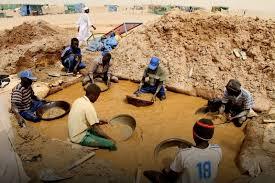
Artisanal and small-scale miners now dominate production, often working under militia-run zones with little safety, regulations or formal oversight. The gold they extract is frequently smuggled out through neighbouring countries and into global markets where origins are obscured, robbing the Sudanese state of billions in potential earnings. (en.beamreports.com)
Shadow Trade Fuels Conflict and Financing
The gold trade has become a key financing mechanism for armed factions, including both the SAF and RSF. Instead of bolstering Sudan’s development, revenues from gold often go toward weapons, logistics, and sustaining combat operations—effectively prolonging the conflict rather than easing it. (International Boycott UAE Campaign)
In addition to internal smuggling networks, external actors play a significant role. For years, the United Arab Emirates (UAE) has been a major importer of Sudanese gold, importing large quantities that later reappear on international markets. Critics argue these trade links help sustain militia financing by providing liquidity and cover for gold of dubious origin. (Ecofin Agency)
Economic and Social Toll
Beyond state revenue losses, the collapse of the formal gold sector has deep social consequences:
- Currency instability—Sudanese pound volatility has been tied to disrupted gold exports and trade link breakdowns. (Reuters)
- Human cost—mining accidents and unsafe conditions in artisanal fields have left workers dead or injured and families impoverished. (The New Arab)
- War economy dependency—reliance on conflict Gold inhibits opportunities for peace and reconstruction while empowering armed groups economically. (International Boycott UAE Campaign)
A Looming Crisis With No Easy Exit
Efforts to regulate and formalize Sudan’s gold trade face steep challenges amid ongoing violence and competing factional control. Sanctions and diplomatic pressures aim to curb illicit flows. Still, conflict gold remains deeply embedded in both the war economy and regional trade networks—making meaningful reform difficult without a sustained peace process. (International Boycott UAE Campaign)
As long as gold continues to finance conflict and smuggling outpaces official exports, Sudan’s economic collapse is likely to deepen, prolonging instability and prolonging the suffering of millions caught in a vicious cycle of war and economic collapse.
In summary, Sudan’s gold trade—once a key source of revenue—has been largely overtaken by a war economy where smuggling and militia control divert wealth from the state, fuel conflict financing, and accelerate economic decline. (Sudan Tribune)

Leave a comment
Your email address will not be published. Required fields are marked *